

In the construction industry, marketing has traditionally relied on blueprints, photographs, and occasionally, 3D models. While these tools have served their purpose, they often fall short in truly engaging clients or conveying the vision of a project. Today, however, technologies like Augmented Reality (AR) and Virtual Reality (VR) are transforming this landscape, bringing unprecedented interactivity and immersion to construction marketing.
As someone passionate about blending innovation with practical solutions, I see AR and VR as not just add-ons to a marketing strategy but essential tools for standing out in the highly competitive construction industry. These technologies allow you to showcase your work in ways that were once unimaginable, from virtual site walkthroughs to interactive project visualizations.
In this article, I’ll explore the transformative potential of AR and VR in modern construction marketing. Here’s what you’ll learn:
Why AR and VR Are Game-Changers for Construction Marketing
Understanding how these tools revolutionize client engagement and project presentations.
Practical Applications of AR and VR in Construction
Real-world examples of how construction companies are using these technologies.
Benefits for Customer Engagement and Decision-Making
How AR and VR improve client trust and help them make confident choices.
Success Stories from the Construction Industry
Inspirational examples that show the real impact of AR and VR.
How to Get Started with AR and VR Marketing
Actionable steps to integrate these tools into your marketing efforts.
By the end, you’ll have a clear roadmap to leveraging AR and VR for your construction business.
Why AR and VR Are Game-Changers for Construction Marketing
AR and VR are more than just trendy buzzwords. They represent a fundamental shift in how construction businesses communicate with clients. Traditional marketing tools like photographs or blueprints often fail to fully convey the scale, detail, or experience of a project. This is where AR and VR step in, offering:
Immersive Experiences: VR allows clients to step into a virtual environment where they can explore a project as if it were already built.
Real-Time Interaction: AR overlays digital elements onto the real world, enabling clients to interact with designs in their actual surroundings.
Engaging Visuals: These technologies bring your projects to life in a way that static images never could.
For example, imagine a potential client walking through a virtual model of their future home or using AR to see how a planned extension would look on their existing property. These experiences go beyond traditional methods, creating a lasting impression and a deeper connection with your brand.
Practical Applications of AR and VR in Construction
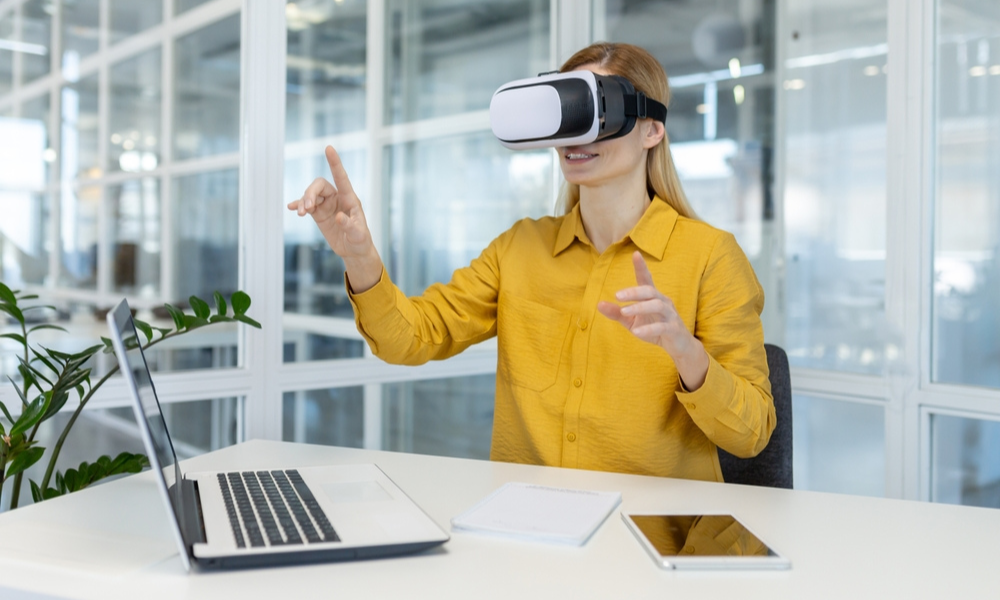
AR and VR are already making waves in the construction industry. Here’s how they’re being used:
Virtual Site Walkthroughs
Potential clients no longer need to visit a site physically to understand its layout or progress. With VR, you can offer virtual tours that replicate the experience of being there. This is particularly valuable for international clients or projects in remote locations.
Interactive Project Visualizations
AR tools allow clients to see how completed projects will look within their existing environments. For instance, a homeowner can use AR to visualise how a new deck will fit into their backyard or how a kitchen remodel will transform their space.
Training and Safety Simulations
Construction teams can train in virtual environments to practice safety protocols or learn how to operate machinery. This reduces risks and improves efficiency on real sites.
Enhanced Presentations
Impress your clients during pitches with VR and AR-enhanced presentations. Instead of static slides or brochures, offer interactive, immersive experiences that bring your ideas to life.
Remote Collaboration
Teams can collaborate on designs and plans using VR, allowing for real-time adjustments and discussions, regardless of location.
Benefits for Customer Engagement and Decision-Making
The advantages of AR and VR extend far beyond their “wow factor.” Here’s how they genuinely benefit your business:
Increased Engagement: Clients are more likely to remember and connect with interactive experiences than with traditional presentations.
Improved Understanding: Complex designs become clearer when clients can explore them in 3D or see them in their actual space.
Faster Decision-Making: By providing a clear vision of the final result, AR and VR help clients make informed choices more quickly.
Enhanced Trust: When clients can experience a project before it’s built, they feel more confident in your capabilities.
For instance, a commercial developer might use VR to show stakeholders how a new office building will function. This immersive experience can address concerns, answer questions, and foster excitement for the project.
Success Stories from the Construction Industry
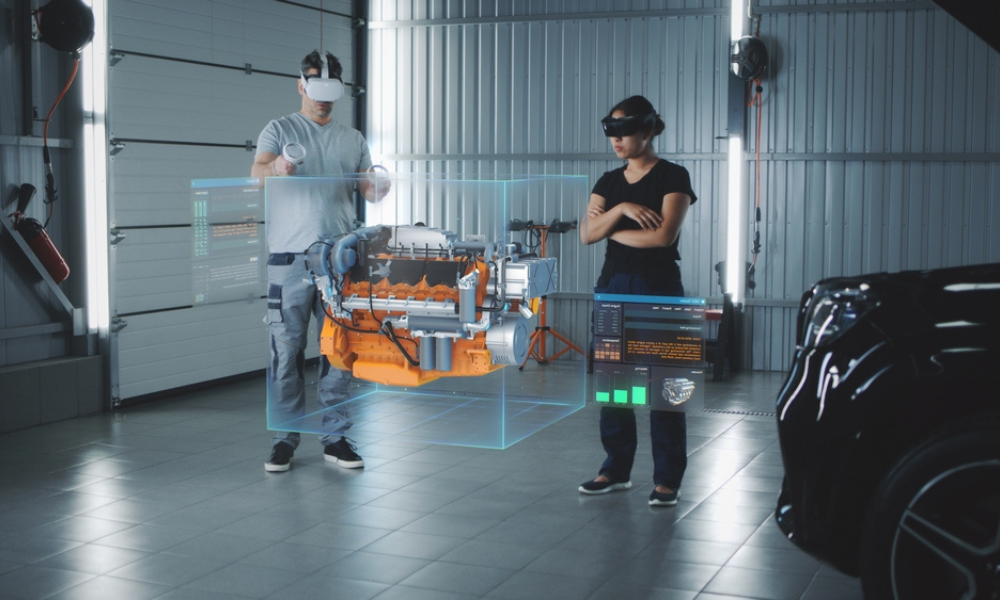
Let’s look at some real-world examples of AR and VR making an impact:
A Luxury Home Builder in Sydney
This company used VR to offer potential buyers virtual tours of properties still under construction. The result? A 50% increase in pre-sales, as buyers could visualize their dream homes without waiting for completion.
A Global Architecture Firm
By integrating AR into their presentations, this firm allowed clients to explore various design options in real time. This not only sped up the decision-making process but also reduced revisions by 30%.
A Perth-Based Renovation Specialist
Using AR, this company provided clients with the ability to visualize home extensions and renovations in their actual spaces. The approach led to a significant boost in client inquiries and project approvals.
A Safety-Focused Contractor in the U.S.
VR simulations for on-site hazard training reduced accidents by 25%, saving lives and lowering costs.
These examples highlight the versatility and effectiveness of AR and VR in driving business results.
How to Get Started with AR and VR Marketing
Integrating AR and VR into your marketing strategy doesn’t have to be intimidating. Here’s a step-by-step guide to help you get started:
Identify Your Goals
Decide what you want to achieve with AR and VR. Whether it’s improving client engagement, increasing sales, or enhancing training, clear objectives will guide your efforts.
Start Small
Begin with simple projects, like creating 360-degree videos or interactive social media filters. These are cost-effective ways to dip your toes into AR and VR marketing.
Collaborate with Experts
Partner with developers who specialise in AR and VR to create professional-quality experiences that align with your brand.
Invest in the Right Tools
From affordable AR apps to advanced VR headsets, there’s a range of tools to suit different budgets and needs.
Measure Success
Track metrics like client engagement, sales conversions, and project inquiries to assess the effectiveness of your AR and VR efforts.
Overcoming Common Challenges
Adopting AR and VR may seem daunting, especially for smaller businesses. However, the perceived barriers—such as cost or complexity—can be addressed:
Cost: Start with smaller, less expensive projects before scaling up. Many AR apps and VR tools are surprisingly affordable.
Learning Curve: Work with experienced professionals who can simplify the process and provide training for your team.
ROI Concerns: Focus on measurable outcomes, such as increased client satisfaction or faster decision-making, to justify your investment.
The Future of AR and VR in Construction Marketing
As AR and VR technologies continue to evolve, their applications in construction marketing will only expand. Future possibilities include:
AI-Driven AR Experiences: Using artificial intelligence to create even more personalized and dynamic interactions.
Integration with Smart Devices: Allowing clients to access AR and VR experiences directly from their smartphones or smart glasses.
Real-Time Feedback: Offering instant adjustments to designs based on client input during AR/VR sessions.
By staying ahead of these trends, you can position your business as an innovator in the construction industry.
Ready to Elevate Your Marketing Strategy?
Imagine offering your clients virtual site tours, interactive design visualizations, and immersive training sessions—all while setting yourself apart from the competition. AR and VR are not just tools for the future; they are opportunities to innovate today.
At [Your Agency Name], we specialise in helping construction businesses unlock the potential of AR and VR technologies. Whether you’re looking to enhance your client presentations or improve team training, we can craft a strategy that works for you.
Get your free marketing plan today and discover how we can help your business thrive. Contact us now, and let’s build the future together.
This expanded content combines practical insights, real-world examples, and actionable steps, making it a comprehensive resource for any construction business ready to embrace AR and VR marketing.

