
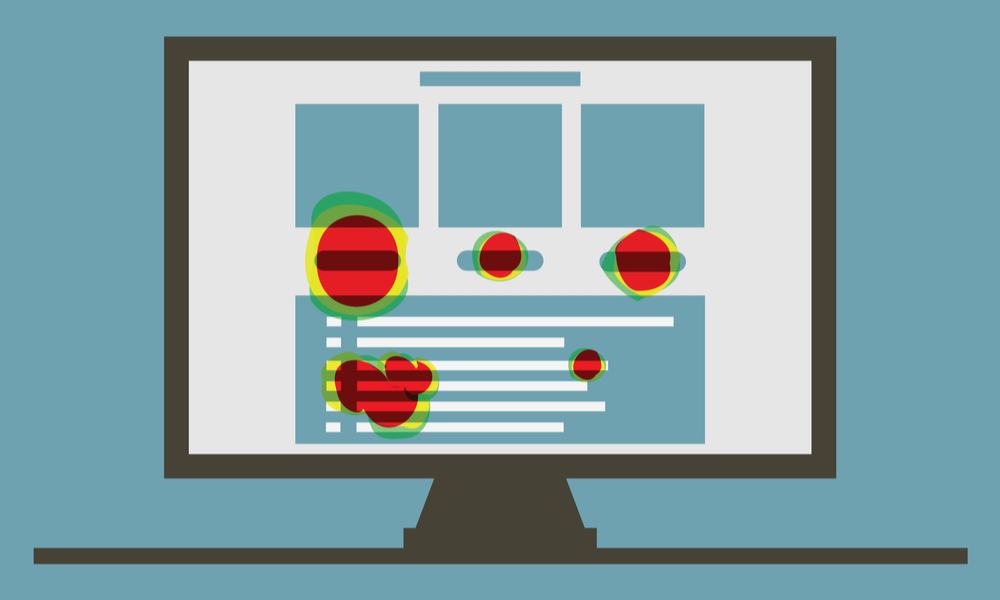
Improving your construction website is about more than just creating a visually appealing design. It’s about ensuring your site delivers results—whether that’s more quote requests, increased lead generation, or a better user experience. A powerful tool to achieve this is heatmaps. Heatmaps provide actionable insights into how visitors interact with your website, giving you a clear picture of what’s working and what isn’t.
In this comprehensive guide, I’ll show you how to use heatmaps to optimize your construction website. Whether your focus is on streamlining navigation, enhancing your project portfolio, or boosting your call-to-action (CTA) clicks, you’ll learn how heatmaps can help you achieve your goals. Plus, you’ll discover why I’m the right partner to help implement these strategies for your business.
What You’ll Learn
Before diving in, here’s what you’ll take away in the next few minutes:
- What Are Heatmaps?
A simple explanation of heatmaps and why they’re essential for your construction business. - Types of Heatmaps
Explore the different kinds of heatmaps and their specific applications. - How Heatmaps Transform Construction Websites
Practical ways to use heatmaps to solve common website issues and drive conversions. - Key Benefits of Heatmaps for the Construction Industry
Why heatmaps are indispensable for staying ahead in a competitive market. - Call to Action: Let’s Improve Your Site Together!
An invitation to partner with me for a free marketing plan and tailored solutions.
What Are Heatmaps?
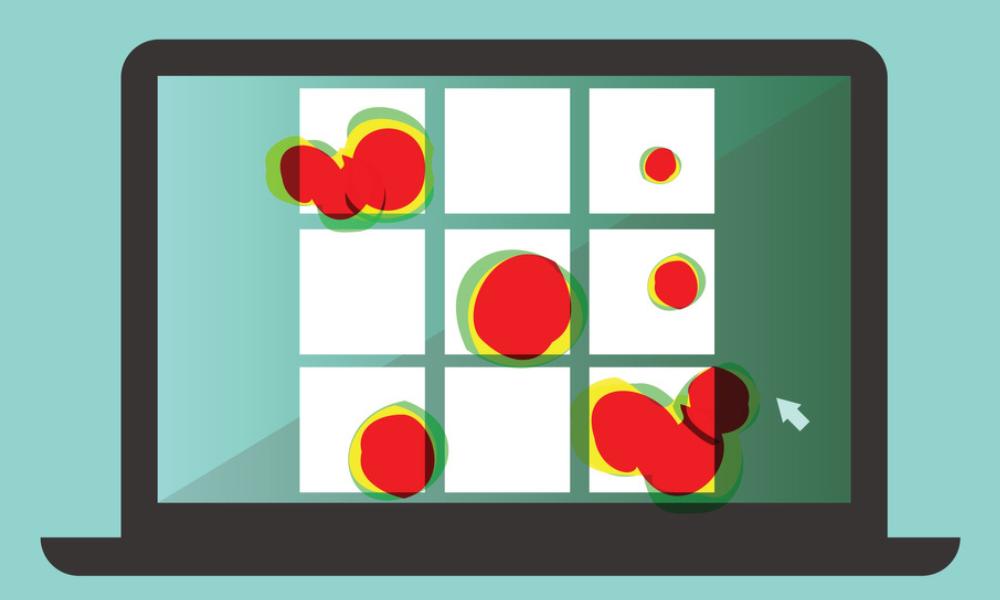
A heatmap is a visual representation of how visitors interact with your website. By using a color-coded system—ranging from red (high engagement) to blue (low engagement)—heatmaps reveal user behavior, including where they click, scroll, and linger.
For construction businesses, this means you can identify whether visitors are engaging with key areas like your services page, photo gallery, or quote request form. It also shows you the underperforming sections that might be deterring potential clients.
Imagine knowing exactly why visitors aren’t converting—heatmaps make this possible. For example, if users are skipping over your “Request a Quote” button, a heatmap will point this out so you can take action.
Types of Heatmaps
There are several types of heatmaps, each serving a unique purpose. Here’s a breakdown of the most useful ones for your construction website:
1. Click Maps
Click maps show where visitors are clicking. They reveal popular elements like navigation menus, buttons, or project images, as well as areas that get little to no attention. This is critical for identifying whether your CTAs, such as “View Services” or “Request a Call,” are effective.
2. Scroll Maps
Scroll maps track how far visitors scroll down a page. This helps determine whether key content, like your credentials or customer testimonials, is being seen. If users stop scrolling before reaching this information, you know it needs to be moved higher.
3. Move Maps
Move maps track the movement of visitors’ cursors, which often mirrors where their eyes are looking. These maps help you spot areas of interest or confusion, such as a misaligned image or unclear navigation.
4. Attention Heatmaps
Attention heatmaps highlight areas where visitors spend the most time. For construction sites, this is useful for assessing whether your portfolio or service descriptions are engaging enough.
5. Mobile Heatmaps
Mobile heatmaps provide insights into how users interact with your site on smartphones and tablets. Given the global trend toward mobile browsing, optimizing for mobile users is crucial.
6. Dynamic Heatmaps
For websites with interactive elements—like dropdown menus or forms—dynamic heatmaps track how users engage with these features in real-time.
How Heatmaps Transform Construction Websites
Using heatmaps effectively can solve a host of issues on your construction website. Here are seven key applications:
1. Optimize CTAs for More Engagement
If visitors aren’t clicking your CTAs, such as “Request a Free Quote” or “View Our Portfolio,” heatmaps can pinpoint the problem. Maybe the button isn’t prominent enough, or the text isn’t compelling. Use this insight to reposition or redesign your CTAs for better results.
2. Enhance Navigation
Confusing menus and navigation structures are a common issue for construction websites. Heatmaps reveal whether users are struggling to find your services or contact page. Simplify your navigation menu to make the user journey smoother.
3. Improve Portfolio Pages
Your portfolio is a vital part of your construction website. Attention heatmaps can reveal whether visitors are engaging with your project showcases. If not, consider adding more visuals, reorganizing the layout, or providing clearer descriptions of your work.
4. Focus on Mobile Visitors
For international SEO, optimizing your site for mobile users is non-negotiable. Mobile heatmaps can show you where users are tapping, scrolling, or abandoning the page, helping you create a better mobile experience.
5. Identify Drop-Off Points
Scroll maps help identify where visitors stop scrolling. If your testimonials or client logos are buried too far down, they may never be seen. Rearrange your page layout to prioritize the most critical elements.
6. Refine Lead Forms
Lead forms are often the last hurdle before converting a visitor into a lead. Conversion heatmaps track interactions with forms, revealing where users abandon the process. Reducing the number of fields or simplifying the form can significantly increase submissions.
7. Test and Compare Page Designs
Heatmaps are invaluable for A/B testing. For example, you can test two versions of your homepage—one with a bold CTA at the top and another with a more visual focus—and see which performs better.

Key Benefits of Heatmaps for the Construction Industry
Boost Lead Generation
Heatmaps reveal what drives user engagement, allowing you to adjust your site for maximum lead generation. For example, if your quote request button isn’t getting clicks, heatmaps will show you why.
Enhance User Experience
A smooth user experience is critical for turning visitors into clients. Heatmaps help identify problem areas—like hard-to-find navigation links or distracting elements—that may frustrate users.
Prioritize Content Placement
Not all parts of your site are equally important. Heatmaps guide you in placing high-value content, such as certifications or testimonials, where they’ll get the most attention.
Tailor Your Site for Global Audiences
Since your target audience spans the globe, it’s essential to design your site for different user behaviors. Heatmaps provide the insights needed to create a universally appealing website.
Why I’m the Right Partner
Your construction website is more than just a digital presence—it’s a tool to grow your business. With over seven years of experience in digital marketing and a deep understanding of the construction industry, I can help you implement heatmap strategies that deliver real results.
Get a Free Marketing Plan Today
Ready to take your construction website to the next level? Let me create a free, customized marketing plan tailored to your business needs. Whether you want to boost leads, improve your user experience, or optimize for international SEO, I’m here to help.

