

In today’s digitally driven world, every construction business, whether a local contractor in Perth or an international infrastructure company, needs effective digital marketing tools to thrive. The right tools can be the difference between a successful outreach campaign and missed opportunities. For startups in particular, where budgets are often tight, understanding the trade-offs between free and paid tools is crucial.
This guide dives into the comparison between free and paid digital marketing tools, focusing on how each can fit the unique needs of construction businesses. If you’re trying to figure out how to grow your business without overextending your budget, keep reading.
What You’ll Learn
- Understanding Free vs. Paid Tools: Which option works best for startups and when to invest.
- Content Creation: Tools to create stunning visuals for construction projects.
- Email Marketing: Boosting communication with free and premium platforms.
- Social Media Management: Enhancing your online presence effectively.
- SEO Optimization: Tools to rank higher and attract global audiences.
- Website Analytics: Leveraging data to understand visitor behavior.
- Project Management Tools: Streamlining tasks and improving team collaboration.
- Customer Relationship Management (CRM): Building lasting client relationships.
1. Free vs. Paid Tools: Which Is Best for Your Business?
When you’re running a construction business, every dollar counts. That’s where free tools can be a lifesaver, offering essential features at no cost. However, free tools often come with limitations—whether it’s restricted features, limited customer support, or lack of scalability.
Paid tools, on the other hand, are an investment in efficiency and professionalism. They provide advanced features, customization options, and dedicated support to help you scale effectively.
When to Use Free Tools:
- Early-stage startups testing their marketing strategies.
- Small-scale campaigns or businesses with minimal digital marketing needs.
When to Upgrade to Paid Tools:
- When scaling operations and needing advanced functionalities.
- For detailed analytics, automation, and better integration across tools.
2. Content Creation: Designing Eye-Catching Visuals
Your business’s visual presence speaks volumes. Whether it’s creating brochures for property developers or presentations for stakeholders, having the right tools can elevate your brand.
Free Option: Canva
Canva is a user-friendly tool that enables you to create professional graphics without needing a design background. From site banners to social media posts, its drag-and-drop interface and pre-designed templates simplify the process.
- Ideal for creating quick designs for social media or marketing materials.
- Features a rich library of free templates, photos, and fonts.
Paid Option: Adobe Creative Cloud
For businesses prioritizing branding, Adobe Creative Cloud offers unparalleled tools like Photoshop and Illustrator. These tools provide detailed customization and are perfect for creating polished visuals.
- Best for creating high-quality, scalable graphics for print and digital media.
- Includes advanced photo editing, vector design, and 3D modeling options.

3. Email Marketing: Reaching Clients Effectively
Email marketing is a direct line to your audience—whether it’s contractors, suppliers, or property developers. Using the right email tools can help you stay top-of-mind and build stronger relationships.
Free Option: Mailchimp
Mailchimp offers a free plan for startups, allowing you to manage up to 2,000 contacts. Its simple interface and automation options make it a go-to choice for small businesses.
- Great for creating visually appealing emails with customizable templates.
- Provides insights into open rates and click-throughs for your campaigns.
Paid Option: Constant Contact
Constant Contact takes email marketing up a notch with features like advanced analytics and automation. Its ability to create customer journeys makes it ideal for nurturing long-term relationships.
- Offers integration with CRM systems and social media platforms.
- Provides dedicated customer support and training resources.
4. Social Media Management: Amplifying Your Online Presence
Social media platforms are where your business can connect directly with clients and showcase projects. Whether it’s sharing progress photos or promoting services, these tools simplify the process.
Free Option: Buffer
Buffer lets you schedule posts for platforms like Facebook, Instagram, and LinkedIn. Its free version supports up to three accounts and ten scheduled posts.
- A simple tool for maintaining a consistent posting schedule.
- Best for startups focusing on organic social media strategies.
Paid Option: Hootsuite
Hootsuite is ideal for businesses ready to go beyond basic posting. It offers features like content calendars, ad management, and performance analytics.
- Manage multiple accounts and streams simultaneously.
- Track audience engagement and measure campaign success.
5. SEO Optimization: Boosting Your Visibility
Search engine optimization (SEO) is essential for driving organic traffic to your website. For construction businesses targeting global audiences, appearing at the top of search results can mean more leads and conversions.
Free Option: Ubersuggest
Ubersuggest is a budget-friendly option for keyword research, rank tracking, and competitor analysis. It’s simple to use and provides actionable data for improving your website’s visibility.
- Ideal for startups with limited SEO knowledge.
- Helps identify keywords relevant to your construction niche.
Paid Option: SEMrush
SEMrush offers a full suite of SEO tools, including content optimization, backlink analysis, and competitive research. It’s perfect for businesses ready to invest in their online presence.
- Includes tools for tracking keyword performance globally.
- Provides in-depth reporting for long-term strategy planning.
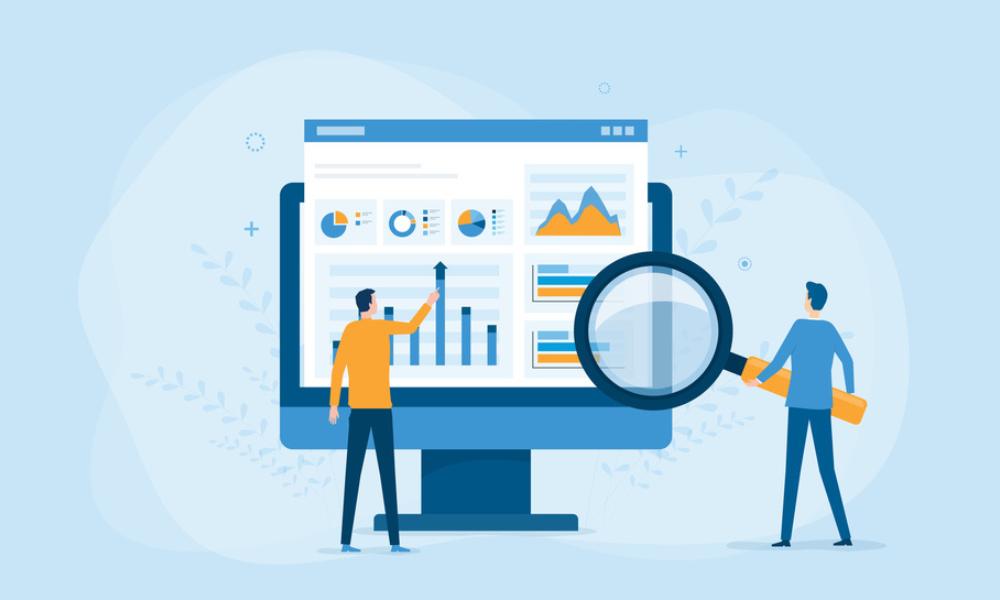
6. Website Analytics: Understanding User Behavior
Analyzing website traffic is critical to improving user experience and conversion rates. These tools help you understand how visitors interact with your site.
Free Option: Google Analytics
Google Analytics is a free and powerful tool that tracks visitor behavior, demographics, and traffic sources. It’s a must-have for startups building their digital presence.
- Easy to integrate with most websites.
- Provides essential insights like bounce rates and conversion paths.
Paid Option: Adobe Analytics
For businesses needing advanced data analysis, Adobe Analytics offers features like predictive modeling and real-time reporting. It’s designed for companies managing large-scale marketing campaigns.
- Enables deeper segmentation of user data.
- Best for businesses focused on data-driven decisions.
7. Project Management: Keeping Teams Aligned
Construction projects involve multiple stakeholders and tight deadlines. Project management tools help streamline workflows and improve collaboration.
Free Option: Trello
Trello uses a visual board system to organize tasks. Its free version is perfect for small teams managing straightforward projects.
- Simple and intuitive interface.
- Best for tracking tasks and progress.
Paid Option: Asana
Asana brings advanced features like timelines, dependencies, and team workload tracking. It’s ideal for businesses juggling multiple projects.
- Helps with detailed project planning and execution.
- Includes reporting tools to monitor project health.
8. Customer Relationship Management (CRM): Building Client Loyalty
For construction businesses, managing relationships with contractors, suppliers, and clients is critical. A CRM system can centralize this data and streamline communication.
Free Option: HubSpot CRM
HubSpot CRM is free and easy to use, offering features like contact management and email tracking. It’s an excellent starting point for small businesses.
- Allows tracking of client interactions and deals.
- Integrates with email and social media platforms.
Paid Option: Salesforce
Salesforce is a premium CRM solution with tools for sales automation, analytics, and customer service. It’s ideal for businesses planning long-term growth.
- Provides comprehensive customer insights.
- Customizable dashboards for tracking performance.
Final Thoughts: What’s Right for Your Business?
The choice between free and paid tools depends on your business goals and resources. Free tools are a great starting point for early-stage startups, offering essential features without financial commitment. As your business grows, transitioning to paid tools can unlock advanced capabilities, helping you scale efficiently.
No matter your budget, the right tools can simplify your digital marketing efforts and create opportunities for growth.
Ready to elevate your construction business’s marketing game? Let us help you create a FREE, customized marketing plan tailored to your goals. Whether you’re starting small or ready to go big, we’ll guide you every step of the way. Contact us today to learn how we can drive your success.

